UnoLock: Reclaiming Identity in the Age of Technofeudalism and Techno-Serfdom
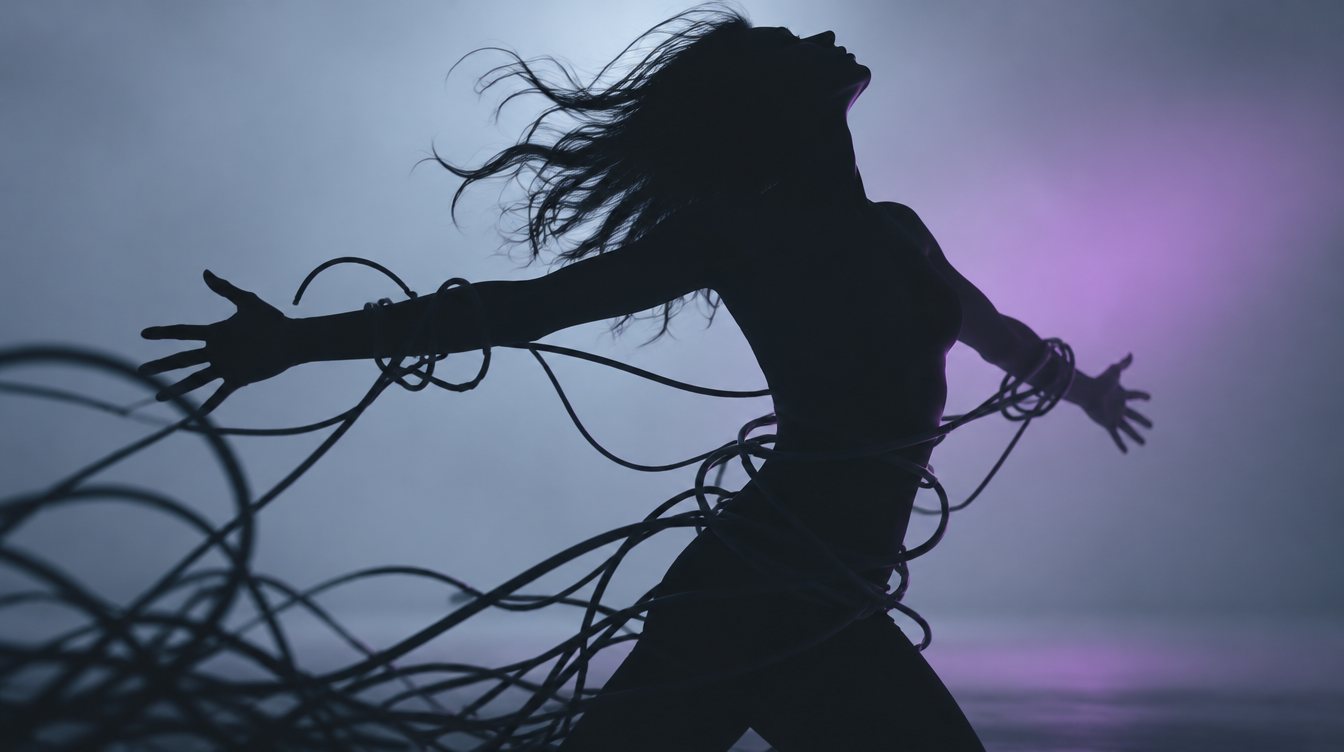
In today’s digital landscape, we’re not just users—we’re Peasants 2.0, tethered to a system that mirrors the feudal hierarchies of old. Concepts like technofeudalism and techno-serfdom paint a vivid picture: tech giants reign as modern lords, controlling the platforms we depend on, while we, the digital serfs, surrender our data, privacy, and autonomy for access. Into this world steps UnoLock, a tool that transcends mere technology. It’s a bold statement about who we are and who we choose to be—a rebellion against the digital feudal order, offering us a chance to reclaim our sovereignty and redefine our place in the virtual realm.
The Digital Feudal Landscape: Peasants 2.0
Imagine a medieval fiefdom, but instead of land, the currency is data. Technofeudalism describes a system where tech titans—think Google, Meta, or Amazon—act as feudal overlords. They own the digital infrastructure we rely on for communication, commerce, and connection, granting us access in exchange for our personal information and freedom. Techno-serfdom takes it further, highlighting our loss of agency: we’re surveilled relentlessly, our behaviors harvested and sold, our digital lives shaped by algorithms that serve corporate profit over human dignity.
This isn’t hyperbole. When Facebook’s Cambridge Analytica scandal exposed the exploitation of millions of users’ data, or when platforms like Twitter suspend accounts arbitrarily, we see the reality: we’re not in control. Our digital selves—our identities, memories, and assets—are leased to us by these tech lords, revocable at their whim. We’re Peasants 2.0, bound to a system that thrives on our dependence and powerlessness.
UnoLock: More Than Technology, a Declaration of Self
Enter UnoLock, a sovereign digital vault designed to store your most precious digital assets—passwords, cryptographic keys, private messages, sensitive files—beyond the reach of prying eyes. But UnoLock isn’t just about securing data; it’s about reclaiming who we are in a world that seeks to define us as commodities. It’s a tool and a philosophy, addressing the core injustices of technofeudalism and techno-serfdom head-on:
1. Owning Our Digital Selves
- The Problem: In this feudal system, platforms own your data—you’re a tenant, not a landlord.
- UnoLock’s Answer: Its zero-knowledge architecture ensures that only you hold the keys to your vault. Not UnoLock, not a tech giant, not a government—nobody else can access it. Your data is yours, period.
2. Shielding Against Surveillance
- The Problem: Techno-serfdom means constant monitoring—every click tracked, every message scanned.
- UnoLock’s Answer: With end-to-end encryption and absolute anonymity, UnoLock protects your privacy. Tools like Eyes Only Messaging, a peer-to-peer, serverless communication feature, keep your conversations yours alone. It’s a fortress against the surveillance state.
3. Breaking Free from Dependency
- The Problem: We’re locked into centralized platforms—think iCloud or Dropbox—with no real alternatives.
- UnoLock’s Answer: Features like user-chosen storage and global redundancy let you decide where your data lives, spreading it across multiple locations for resilience. If one platform fails or locks you out, you’re still in control. It’s liberation from the digital plantation.
4. Choosing Who We Are
- The Problem: Technofeudalism strips us of autonomy, molding our digital lives to fit corporate agendas.
- UnoLock’s Answer: By giving you full control over your vault—through LockoutGuard and multi-device access—UnoLock makes you the master of your digital domain. You decide who you are online, not an algorithm or a CEO.
5. Defying Coercion
- The Problem: Tech lords can be pressured by governments or hackers, putting your data at risk.
- UnoLock’s Answer: With DuressDecoy and Plausible Deniability, UnoLock protects you even under threat. Forced to unlock your vault? Enter your safeword PIN and only your non-sensitive Spaces appear while your real assets stay hidden. It’s defiance built into the code.
A Deeper Meaning: Who We Choose to Be
UnoLock isn’t just about practicality—it’s about identity and choice. In a world where our digital selves are fragmented across platforms, surveilled, and sold, UnoLock says: You are more than a data point. It’s a tool that lets us define ourselves, free from the shackles of technofeudal control.
- Identity Reclaimed: Your passwords, keys, and messages aren’t just files—they’re pieces of you. UnoLock’s Master Keypair Generator and LegacyLink ensure they remain yours, even passing to your heirs. It’s about preserving your digital soul.
- Autonomy as Freedom: Philosophers have long tied freedom to control over one’s property. UnoLock extends this to the digital age: your data is your domain, and governing it is your right.
- A Stand Against Feudalism: By rejecting centralized power and embracing decentralization, UnoLock challenges the lords of the digital realm. It’s a quiet revolution, one vault at a time.
Beyond the Individual: A New Digital World
UnoLock’s ripple effects could reshape society. It undermines the data-driven empires of tech giants, pushing for a digital world where power is distributed, not hoarded. It inspires us to demand more—more control, more privacy, more humanity in our tech. It’s a spark that could ignite a broader shift, from serfdom to sovereignty, inviting us to rethink what the internet can be.
Conclusion: UnoLock as Our Digital Liberation
In the shadow of technofeudalism and techno-serfdom, where we’re cast as Peasants 2.0, UnoLock emerges as a beacon of hope. It’s not just technology—it’s a mirror reflecting who we are and a canvas for who we choose to be. It declares that we don’t have to be serfs, bowing to digital overlords. We can be sovereigns, masters of our data, our privacy, and our identities.
UnoLock is our chance to break free—to reject the feudal chains of the digital age and build a future where we’re not just users, but creators of our own destinies. It’s a tool for today and a vision for tomorrow, reminding us that in this vast digital landscape, we can still choose to be free.