Sensitive Personal Data: What Is It and Why Should We Protect It?
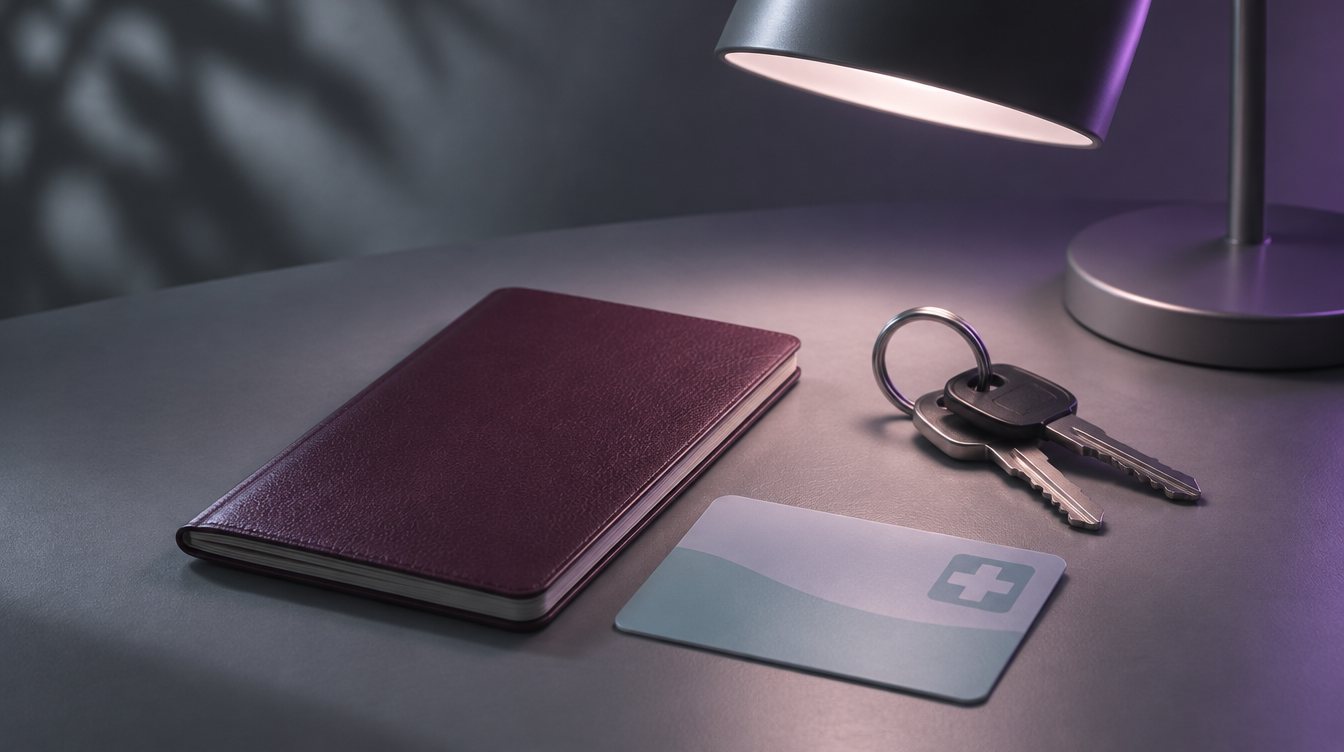
We’re often told that our data is sensitive and needs to be protected. From credit card information to personal medical records, we're constantly warned to safeguard this "sensitive personal data." But what exactly does "sensitive data" mean, and why does it matter so much in the digital age?
We’ve all heard about data breaches, hackers, and identity theft, but what’s often missing from the conversation is just how easily our personal information can be accessed, stolen, and used against us. Let’s take a step back and think about the ways in which we’ve historically protected our sensitive data, and how those old-world methods are still relevant today—just in a digital form.
Sensitive Personal Data: The Basics
Sensitive personal data includes information that, if exposed or accessed by unauthorized individuals, could harm your reputation, your financial well-being, or even your physical safety. It goes beyond the basics, like your name or address, and dives into more private, vulnerable aspects of your identity. Examples include:
- Social Security Numbers (or equivalent in other countries)
- Financial information (credit card numbers, bank account details)
- Health data (medical history, prescriptions, insurance details)
- Personal identification details (driver’s license, passport numbers)
- Passwords and security questions
- Biometric data (fingerprints, facial recognition, voice patterns)
This information can be used for a variety of malicious activities, from identity theft to fraud, or even to manipulate your personal and professional relationships. And with the rise of the digital landscape, it’s easier than ever for thieves and malicious actors to access this information—often without us even realizing it.
Remember the Old Days: Dumpster Divers and Paper Trails
Before the digital age, protecting sensitive data meant keeping your physical documents safe. We would lock important papers in filing cabinets, and the occasional “dumpster diver” might search through trash to find discarded documents that could be used to steal your identity. The act of shredding documents became a common practice, ensuring that nobody could piece together your personal information from your trash.
Picture this: you throw away a bank statement, a medical bill, or a tax return. While you may think it’s just a piece of paper, a dumpster diver sees a treasure trove of information that could be used to open fraudulent accounts in your name, access your financial assets, or even cause damage to your reputation.
These activities, though seemingly harmless, were often the catalyst for identity theft. When data security wasn’t as advanced, securing sensitive information was a matter of limiting access to physical documents. In a sense, our personal vaults were paper-based, and physical destruction (shredding) was one of the best ways to keep our sensitive information from falling into the wrong hands.
The Digital Age: How Data Breaches Destroy Your Life
Fast forward to the present, and protecting sensitive personal data has become much more complex. Our lives are now digitized—our personal details, health records, financial transactions, and even our communication with others are stored in the cloud or on various digital platforms. This creates a new kind of vulnerability, one that’s much harder to detect and defend against.
Data breaches have become a common occurrence in the digital age. From massive corporations to small businesses, it’s not uncommon to hear about hacked servers, leaked personal data, or stolen credit card information. These breaches often happen without our knowledge, and the stolen information can lead to massive financial and reputational damage.
Consider a few examples:
- Equifax: In 2017, one of the biggest credit bureaus in the world experienced a data breach that exposed the sensitive information of 147 million Americans. This included names, Social Security numbers, birth dates, and addresses—data that could be used for everything from opening credit cards in someone’s name to filing fake tax returns.
- Yahoo: In 2014, 3 billion Yahoo accounts were compromised in a breach, affecting users’ email addresses, phone numbers, and even security questions. This breach exposed sensitive personal data that, if used maliciously, could destroy reputations, access financial accounts, or expose embarrassing personal details.
- Facebook: In 2018, it was revealed that 50 million Facebook accounts were compromised. In addition to personal information, the breach allowed hackers to access Facebook’s internal systems, creating the risk of much more widespread damage.
These are just a few examples, but they illustrate a very real issue: once sensitive data is breached, it’s often beyond repair. A stolen credit card number can lead to fraudulent charges; a leaked medical record could lead to discrimination or embarrassment; and a hacked social media account could allow an attacker to impersonate you or use your identity to harm others.
The New Digital “Dumpster Divers”
Just like the dumpster divers from the past, modern-day hackers, criminals, and even data brokers are on the lookout for valuable personal information that can be exploited. However, instead of rummaging through garbage, they’re navigating through databases, cloud storage, and social media platforms to collect sensitive personal data. They don’t need to search through physical documents anymore; they can find everything they need online.
The danger here is that, unlike physical documents, once digital data is exposed, it’s nearly impossible to take it back. Hackers can sell stolen information on the dark web, allowing anyone to access it for malicious purposes. In many cases, stolen data is sold in bulk, and the buyer might use it in various ways—committing fraud, opening accounts in your name, or simply exploiting your personal details to manipulate you.
Furthermore, data mining and tracking have become commonplace in our digital world. Companies gather vast amounts of information about us to personalize services, but this often includes highly sensitive data like our browsing history, health information, location, and purchasing habits. While the intention may be to offer better services or products, the lack of control over how this data is shared and used raises serious privacy concerns.
The Real-World Impact of Data Exposure
When sensitive personal data is breached, the consequences can be far-reaching. For instance:
- Financial Loss: Stolen credit card information can be used for unauthorized purchases, causing financial havoc for the victim.
- Identity Theft: With access to personal information like Social Security numbers, criminals can open accounts in your name, taking out loans or credit lines that you’ll later be held responsible for.
- Career Damage: Leaked private messages, documents, or personal photos can be used to damage your reputation, jeopardizing your career or relationships.
- Emotional and Psychological Harm: The stress of dealing with the aftermath of a data breach can have lasting emotional effects, particularly if the exposure involves personal or embarrassing information.
Protecting Your Sensitive Personal Data
In today’s digital landscape, protecting sensitive personal data is more important than ever. Here are some steps you can take to safeguard your information:
- Use Strong Passwords: Avoid using simple, easily guessable passwords. Consider a password manager to keep track of unique passwords for different accounts.
- Enable Two-Factor Authentication: This adds an additional layer of security, requiring both a password and a second method of verification (like a text message or authentication app).
- Be Careful What You Share Online: Be mindful of what you post on social media and who can access it. Limit the amount of personal information you share and be aware of the privacy settings on platforms.
- Shred Physical Documents: Don’t just throw away sensitive paperwork—shred it before disposal to keep dumpster divers from accessing it.
- Encrypt Your Data: Use encryption tools to secure sensitive data stored on your devices and online.
Protecting Sensitive Data: How UnoLock Offers a Holistic Security Framework for the Digital Age
So protecting sensitive personal data has never been more critical. From personal health records to financial statements, much of what defines our privacy is stored digitally. But what happens when that data is compromised and how should you be storing it? Just like a physical lockbox or a safe, digital vaults are now the essential safeguard for our most valuable assets. However, it’s not just about keeping your data secure; it’s about maintaining control, ensuring access, and even securing it from coercion or unforeseen events. This is where UnoLock comes in—a powerful solution that not only secures your data but also ensures that you, the owner, maintain full control.
What is Sensitive Personal Data?
Sensitive personal data refers to any information that could be used to harm or exploit an individual if it falls into the wrong hands. It’s more than just a social security number or credit card details; it includes health records, personal messages, bank account numbers, and even biometric data like fingerprints. In the past, safeguarding sensitive information meant physical locks—whether it was a filing cabinet, a lockbox, or a safe. However, as the world transitioned into the digital space, so did the need for a new type of protection, one that could guarantee data remained untouchable and untraceable by unauthorized parties.
Imagine it like this: You throw away personal documents, bills, or bank statements in the trash. Some thief decides to dig through your trash, looking for valuable information. Dumpster divers—as they were once called—would collect discarded materials to steal identities, open fraudulent accounts, or cause other harm. In today’s digital age, instead of rummaging through trash, hackers target servers, cloud storage, and unsecured digital data to obtain that same personal information—except they don’t need to physically dive into trash. They simply need to access your data through unsecured networks, vulnerable websites, or compromised platforms.
Now, imagine a data breach exposing your medical records or financial history. It’s not just an inconvenience; it can destroy your life—financially, emotionally, and even professionally. That’s why we need robust protection systems, like UnoLock, that help secure our sensitive personal data and ensure that it’s truly safeguarded, even in the face of potential threats.
Enter UnoLock: A Holistic Approach to Data Protection
UnoLock is not just another security solution—it's an entire security ecosystem designed to ensure the confidentiality, integrity, and control of your personal data. While many platforms focus solely on encryption, UnoLock goes further by adding an anti-coercion layer and giving users the ability to safely and securely transfer sensitive data, even in worst-case scenarios.
Let’s break down how UnoLock offers this protection:
1. Device as the Key: Multi-Device Authentication
Your device becomes your key—whether it’s your phone, tablet, or computer. This ensures that only you, the rightful owner of the data, can unlock and access the vault containing your most sensitive information. Even if an attacker gains access to your account password, they would still need the physical device to access the safe. This creates a multi-layered security protocol that makes unauthorized access nearly impossible.
2. LockoutGuard: Preventing Lockouts and Unauthorized Access
One of the most devastating experiences in the digital age is losing access to your own data. Whether it’s because of a forgotten password, device failure, or hacking attempts, being locked out of your own data can leave you powerless. UnoLock’s LockoutGuard feature allows users to set up fail-safe recovery options to ensure that if your primary access method fails (for example, if you lose your device), you still have a way back into your vault. This feature can be set up ahead of time, with access options such as QR codes or alternate devices ready to help you regain control.
3. Anti-Coercion Tools: Plausible Deniability and Duress Decoy
In extreme cases, such as being forced to reveal your data under duress, UnoLock offers Plausible Deniability features. By using a dual-pin system, users mark selected Spaces as sensitive and set a safeword PIN; under pressure, that PIN opens the same Safe with the sensitive Spaces hidden—leaving that data secure and untouched. This system ensures that no one can force you to open your vault without risk of exposing your real data. Alternatively, in the HighRisk tier, the safeword PIN triggers the irreversible deletion of those sensitive Spaces if you are threatened with coercion, ensuring their most important secrets are never compromised.
4. Legacy Link: Passing on Data Safely
We don’t often think about what happens to our data after we’re gone. However, for many of us, there’s an increasing need to plan for our digital legacy. Whether it’s passing down critical files to loved ones or ensuring that financial accounts are accessible to a trusted individual, Legacy Link is a feature that allows you to securely transfer your sensitive data after a defined period of inactivity. This ensures that even in cases of incapacitation or death, your data is still accessible to trusted individuals—without compromising its security during your lifetime.
5. Comprehensive Encryption: Double the Security
Every piece of data stored in your UnoLock vault is encrypted with state-of-the-art encryption standards, such as AES-256 GCM. From the moment your data enters the system, it is encrypted both client-side and server-side, ensuring that it remains protected regardless of where it resides. Whether you're storing sensitive financial information, private medical records, or personal memories, UnoLock’s encryption methods provide the highest level of protection. Even if a data breach occurs on the server side, your information remains encrypted and inaccessible without your device’s unique keys.
Why UnoLock is Crucial for Holistic Sensitive Data Protection
In the modern digital landscape, our personal information is constantly under threat. Whether it’s a hacked email account, a data breach exposing our financial data, or identity theft, securing our sensitive personal data has never been more important. UnoLock is designed to tackle these concerns head-on, offering a holistic approach to digital security that goes beyond traditional encryption.
By integrating features like device as the key, anti-coercion tools, and legacy planning, UnoLock ensures that your sensitive data is protected not only from external hackers but also from risks like coercion and lockouts. Legacy Link ensures that even in the face of the unexpected, your data can be transferred safely, giving you peace of mind that your digital legacy is secure.
In conclusion, sensitive personal data is not just a buzzword; it’s the core of our digital identities, and once it’s compromised, the consequences can be severe. In the past, we protected our valuables through physical barriers and locks. Today, the stakes are higher, and the threats are digital. As we continue to live more of our lives online, we must recognize the importance of safeguarding our sensitive data to protect ourselves from identity theft, financial loss, and personal harm. The battle to protect our privacy has moved beyond the dumpster diver—today, it’s a digital fight for our most personal assets. Your digital identity is just as valuable as your physical one, UnoLock provides the tools and features necessary to ensure your autonomy and control over your most sensitive information. Whether it’s health records, financial accounts, or personal communications, protecting your digital assets has never been easier—and more critical.
Take control of your digital future with UnoLock and ensure that your sensitive personal data stays in your hands, and yours alone.