Beyond Passwords: How UnoLock is Redefining Digital Security for the Modern Age
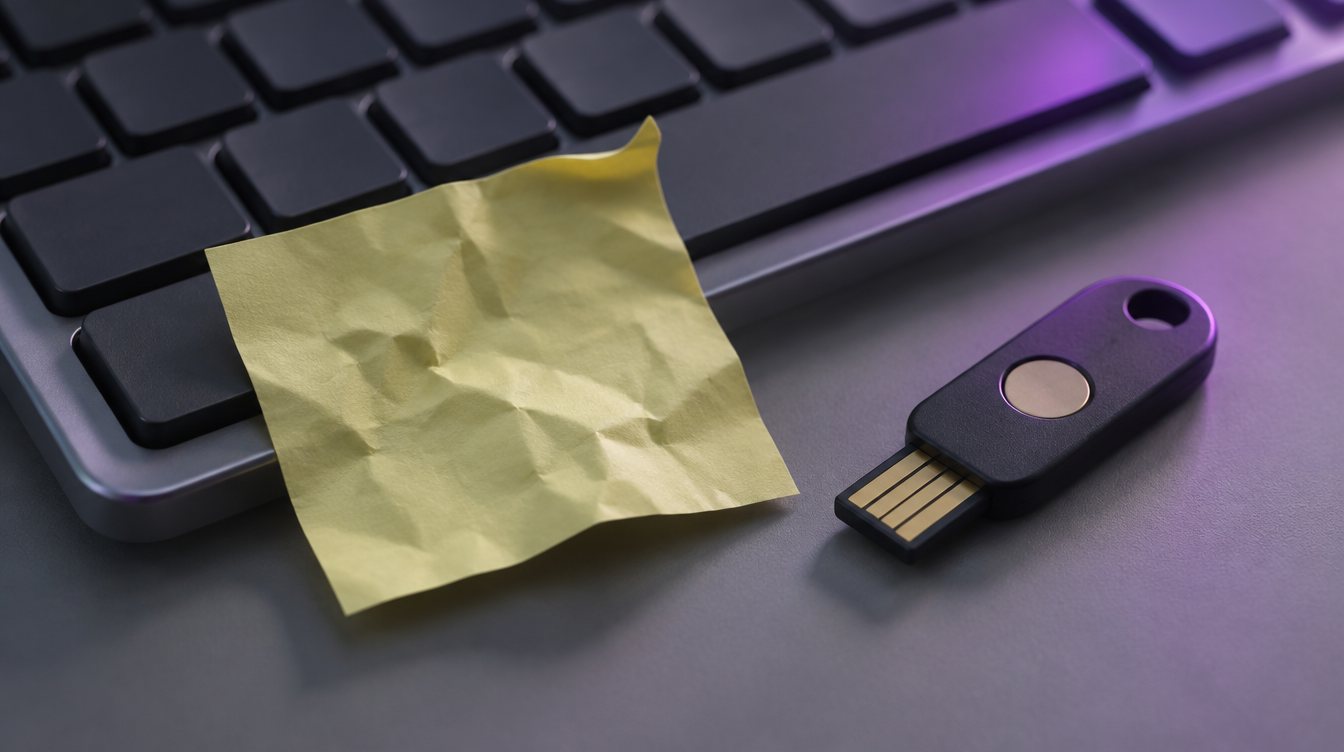
In an era where cyberattacks are rampant and personal data has become one of the most valuable commodities, traditional security methods are falling short. Passwords, once considered the cornerstone of online security, are now easily exploited by hackers and malware. As the digital world expands, so do the risks to our private information. The need for a more robust, user-centric security model has never been greater. This is where UnoLock comes in—offering an innovative and holistic solution to data protection that goes beyond passwords, introducing biometrics, FIDO2 authentication, and end-to-end encryption as the new standard for digital security.
The Limits of Traditional Security
For decades, the primary method of securing online accounts and data has been passwords. Despite their ubiquity, passwords are inherently flawed. They are often reused, easily guessed, or vulnerable to brute-force attacks. Moreover, they provide a single point of failure: once compromised, an entire account or system can be accessed by unauthorized individuals. In response to this, a variety of password managers have emerged, but they still rely on storing sensitive data in centralized locations, which makes them attractive targets for cybercriminals. The risk of a breach, whether through hacking or a compromised server, remains ever-present.
Biometric Authentication: A Passwordless Future
UnoLock reimagines digital security by eliminating passwords altogether with the introduction of biometric authentication. This approach uses unique, physical characteristics such as fingerprints or facial recognition to grant access, making it much more difficult for attackers to spoof or steal credentials. Instead of remembering complex passwords, users can simply authenticate through biometrics, offering both ease of use and a higher level of security. This shift not only simplifies user interactions but also drastically reduces the risk of unauthorized access through traditional means like phishing or keylogging.
But UnoLock doesn’t stop there. It combines biometric authentication with FIDO2, an open authentication standard that enables passwordless login via physical security keys (e.g., YubiKeys) or trusted devices. FIDO2 provides an additional layer of security by ensuring that each authentication request is validated through public-key cryptography, creating an invulnerable barrier against phishing attacks. This dual approach of biometrics combined with FIDO2 keys makes it almost impossible for attackers to gain access, even if they were to physically obtain your device.
End-to-End Encryption: The Foundation of Privacy
While strong authentication is essential, securing the data itself is just as important. End-to-end encryption (E2EE) forms the backbone of UnoLock’s security architecture. In traditional cloud-based systems, data is typically uploaded and stored in a centralized server where it is vulnerable to interception or unauthorized access. However, with UnoLock’s approach, data is encrypted on the user’s device before it ever leaves. This encryption ensures that no one—not even UnoLock’s servers—has access to your sensitive data.
UnoLock uses AES-256 GCM encryption, one of the most advanced encryption standards available, to ensure that your data remains confidential throughout its entire lifecycle. From the moment it is created or uploaded to UnoLock, all data is encrypted, transmitted securely using TLS 1.3 encryption, and stored in its encrypted form in AWS S3, which applies an additional layer of encryption at rest. This dual-layer encryption model guarantees that even if a breach were to occur, the data would remain unreadable without the decryption keys—keys that are never stored on UnoLock’s servers but are managed entirely by the user.
This approach not only protects data in transit but also secures it at rest, ensuring that any attempt to intercept or access your information is thwarted at multiple points along the way. Whether you're uploading personal files, managing cryptocurrency, or storing critical documents, UnoLock’s zero-knowledge architecture ensures that your data remains in your control, inaccessible to unauthorized third parties.
Decentralized Control: The Power of Self-Sovereignty
Perhaps the most revolutionary aspect of UnoLock’s security model is its focus on digital sovereignty. Unlike traditional cloud services, which centralize control of user data, UnoLock gives users complete control over their own data. By combining encryption with decentralized key management, UnoLock ensures that only the user has access to their vault’s contents. No intermediary, including UnoLock itself, has access to the keys needed to decrypt your data.
The platform’s commitment to self-custody means that you are the sole custodian of your information, whether it’s personal files, passwords, or cryptocurrency keys. With multi-device encryption capabilities, UnoLock also ensures that users can securely access their vaults from any device, without compromising security. Each device requires independent authentication, and encryption keys are securely shared between trusted devices using FIDO2/WebAuthn protocols, ensuring the integrity of each session.
The Growing Importance of Data Privacy and Anonymity
As privacy concerns rise, so does the need for absolute anonymity in digital transactions. UnoLock takes this concern seriously, implementing a system that prevents any personal identifying information (PII) from being stored or tracked. This is critical for users who want to ensure that their activities within the platform cannot be traced or linked to their real-world identity. UnoLock does not collect IP addresses, email addresses, or any other metadata that could compromise a user’s privacy.
Moreover, UnoLock’s anonymous payment methods, including Bitcoin integration, offer users the option to make financial transactions without revealing their identities. This feature ensures that users can access UnoLock’s services without fear of financial surveillance or the exploitation of their personal data. The platform’s commitment to anonymized payments and decentralized identity management ensures that users can store, manage, and transfer their most sensitive data without risking exposure.
Security Beyond the Vault: Multi-Device Access and Recovery
While encryption and strong authentication protect data at rest and in transit, security doesn’t stop at the vault itself. Users today need the ability to access their data across multiple devices securely. Whether it’s a personal phone, tablet, or work laptop, UnoLock offers seamless access to your vault through multi-device synchronization. Each device is independently authenticated and securely linked to your vault, ensuring that only authorized devices can access your data. If a device is lost or compromised, secure recovery options are available, ensuring that you can regain access without risking data loss or unauthorized exposure.
As digital security continues to evolve, UnoLock is at the forefront of this transformation, combining the latest encryption technologies, biometric authentication, and FIDO2 security keys to create a truly secure, user-friendly platform. However, the journey to security doesn't end with encryption and authentication. In the next section, we’ll explore how multi-device access enhances the flexibility and security of UnoLock's system, ensuring that users can safely manage and access their data across all their devices, anytime and anywhere. Stay tuned to learn how this feature works in harmony with the rest of UnoLock’s powerful security measures.
The Device as Key: Revolutionizing Digital Security with UnoLock
In the rapidly evolving landscape of digital security, where data breaches and identity theft are all too common, securing sensitive information has become more complex and critical than ever. While traditional methods like passwords have been the cornerstone of digital security for years, they’ve proven to be vulnerable to a variety of attacks, including phishing, brute-force methods, and even simple human error. As cyber threats become more sophisticated, so too must our methods of defense. Enter the concept of the device as key, a groundbreaking approach that UnoLock has integrated into its system to offer a new layer of protection for its users.
The device as key concept is a core element of UnoLock's security architecture. By using a user's devices as the primary authentication mechanism, UnoLock creates an unprecedented level of security that eliminates many of the vulnerabilities associated with traditional authentication systems. This article will explore the role of the device as key within UnoLock’s security model, its implications for digital sovereignty, and how it redefines the notion of self-custody and data protection in the modern digital age.
What is the Device as Key?
The device as key is a novel approach to authentication that utilizes the physical device (e.g., smartphone, laptop, tablet) as the credential to unlock a user’s vault. In traditional security models, authentication is primarily done using passwords or passcodes, which are often stored in centralized systems or databases. These passwords, while useful, are susceptible to hacking, phishing, and human error.
However, with the device as key approach, the physical device itself becomes the mechanism that grants access to sensitive data. Each device is paired with its own encryption key, ensuring that only trusted devices can interact with the data. This key is never stored on a centralized server, nor is it transferred over insecure channels; instead, it remains securely embedded within the device. The device, in this case, becomes the authenticating agent that allows users to access their UnoLock vault, making the vault far more secure than traditional methods where passwords or recovery keys are centrally stored and exposed to potential breaches.
How Does the Device as Key Work in UnoLock?
In UnoLock’s security framework, every device that is authorized to access a user’s vault is treated as a unique, trusted key. The system operates on client-side encryption, meaning that sensitive data is encrypted on the user’s device before it ever leaves. This ensures that only the device with the correct private encryption key—in this case, the user’s trusted device—can decrypt and access the vault. The user’s vault remains completely inaccessible to unauthorized devices.
Here’s how the device as key approach works within UnoLock’s ecosystem:
- Device Authentication: Each device that is granted access to the vault is paired with a unique cryptographic key. When a user attempts to access their vault, UnoLock first verifies that the device requesting access has been authenticated using these keys. If the device has not been authorized, it cannot decrypt the vault’s contents.
- Secure Device Linking: When a new device is added to a user’s UnoLock account, it must undergo a secure authentication process. This process typically involves the user confirming the new device through a secondary trusted device, ensuring that only the user has control over what devices can access their sensitive data.
- Encryption Key Management: The encryption keys that unlock a user’s vault are stored only on the device, never on UnoLock’s servers. Even if UnoLock were compromised, attackers would have no access to the decryption keys necessary to unlock the vault.
- FIDO2 Integration: To enhance the device as key security model, UnoLock integrates FIDO2 authentication, a protocol designed for passwordless login. This allows devices to authenticate without transmitting sensitive information over the internet. The device itself handles all key generation and validation, creating a secure environment where user authentication is done locally on the device.
- Multi-Device Access: UnoLock allows users to securely link multiple devices to their vaults. Each device that is linked must authenticate itself and receive a separate encryption key. This enables secure, seamless access to data across devices—whether you’re accessing it from your smartphone, tablet, or computer—without compromising security.
- Backup and Recovery: In the event that a device is lost or stolen, UnoLock provides secure backup and recovery options. The user can authenticate and recover their vault using another trusted device, ensuring that access to the vault is never interrupted or compromised.
The Benefits of the Device as Key Approach
- Enhanced Security: Since the device itself becomes the key, it significantly reduces the risk of unauthorized access. Even if an attacker gains access to a user’s credentials or the UnoLock server, they would still need the physical device in order to decrypt and access the vault’s contents.
- Self-Custody: One of the key philosophies behind UnoLock is digital sovereignty, or the ability for users to maintain full control over their own data. By using the device as key, UnoLock aligns with this philosophy by ensuring that the user—not an external entity—holds the encryption keys necessary to access their data.
- Protection Against Data Breaches: Traditional password systems rely on centralized databases to store authentication information, making them susceptible to breaches. With the device as key approach, no sensitive data is stored in a centralized location, which minimizes the risk of a data breach affecting user information.
- Ease of Use: Unlike traditional systems that require users to remember complex passwords or rely on external authentication tools, the device as key approach simplifies the user experience. Users only need to authenticate once, and their device becomes the key to all future interactions with their vault, removing the need for passwords altogether.
- Immutable Authentication: Since access to a vault is tied to the device, it is virtually impossible for attackers to compromise the authentication process. There is no reliance on third-party verification systems, which can be vulnerable to hacks. The device itself is the ultimate authority on whether access is granted.
Why the Device as Key Matters for the Future of Digital Security
The traditional model of authentication, which often relies on passwords or central servers, has proven inadequate in the face of increasingly sophisticated cyberattacks. The device as key model represents a profound shift in how we approach digital security. By leveraging the physical device itself as the mechanism for unlocking access, UnoLock ensures that authentication is tied directly to something the user owns and controls.
This approach doesn’t just protect user data—it also empowers users to take control of their digital assets. With the device as key, digital sovereignty becomes a reality. Users don’t have to rely on third parties to secure their data; they are in charge. As more of our lives are lived online, with sensitive data scattered across devices and platforms, ensuring that our information remains protected from unauthorized access is no longer just a need but a fundamental right.
Moreover, as the internet of things (IoT) and personal devices continue to multiply, the device as key model is particularly timely. It supports not only smartphones and laptops but also a wide range of devices that will continue to play an integral role in our digital lives. From smartwatches to tablets, the security of these devices is paramount. UnoLock’s model guarantees that these devices become trusted keys to secure data, not just passive tools.
The Future: A World Where Devices are the New Digital Gatekeepers
As we move towards an increasingly interconnected digital world, the security of our personal data becomes ever more critical. With cyber threats evolving and the need for privacy becoming more urgent, the device as key model presents a future where our digital lives are securely tethered to the devices we use every day. It represents a paradigm shift—one where self-custody, privacy, and control are placed firmly back in the hands of the user.
UnoLock’s embrace of the device as key is more than just a security measure; it is the cornerstone of a new era of digital autonomy, where users can rest assured knowing that their data is not just encrypted but secured by the very devices they trust most. This system is poised to redefine digital security for years to come, offering a safer, more intuitive way to interact with the digital world.
As this security model continues to evolve, the next logical step is multi-device access—a feature that allows users to securely manage their data across various platforms without compromising on security. But that’s a story for another time, as the world of device-based security continues to expand.